Does solar work in Massachusetts?
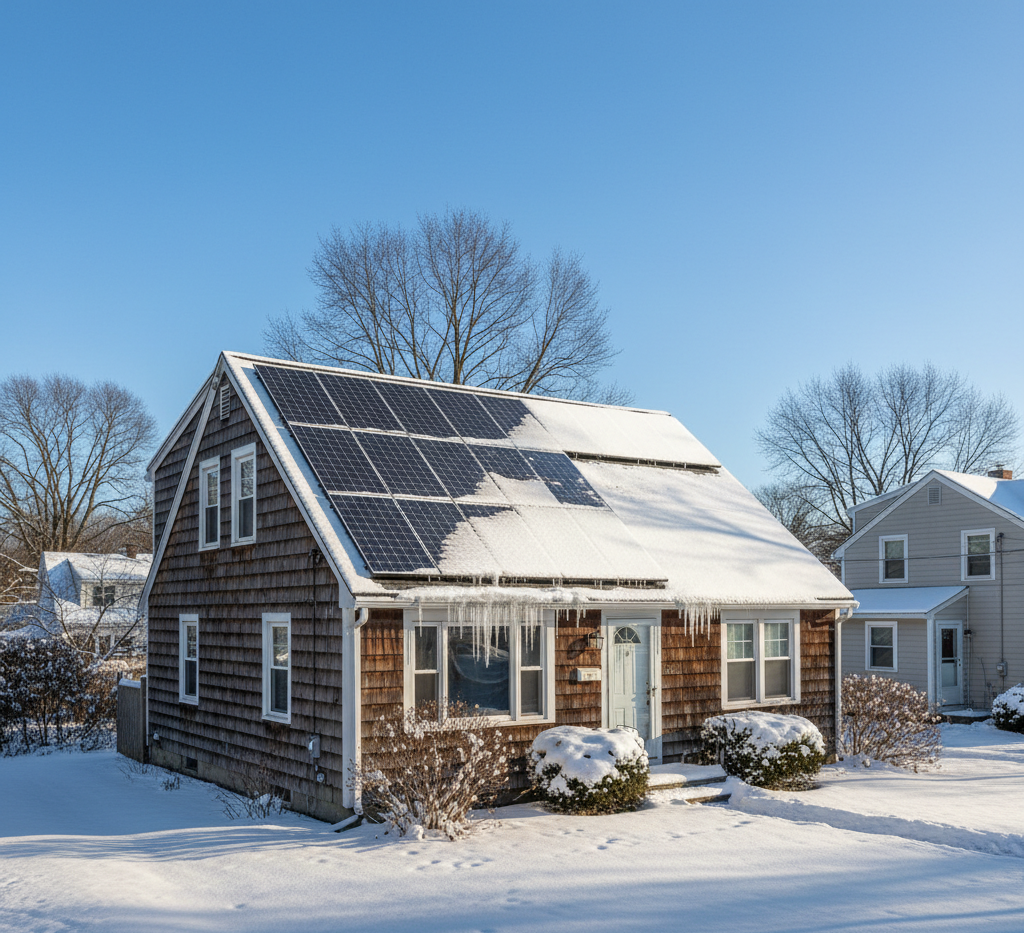
- Solar panels maintain efficiency in colder Massachusetts temperatures, offsetting reduced sunlight hours despite seasonal variations. Panels are designed to shed snow and optimize light capture.
- Grid connection and net metering provide continuous power and financial benefits, allowing homeowners to bank excess energy generated in sunnier periods for use during less productive times.
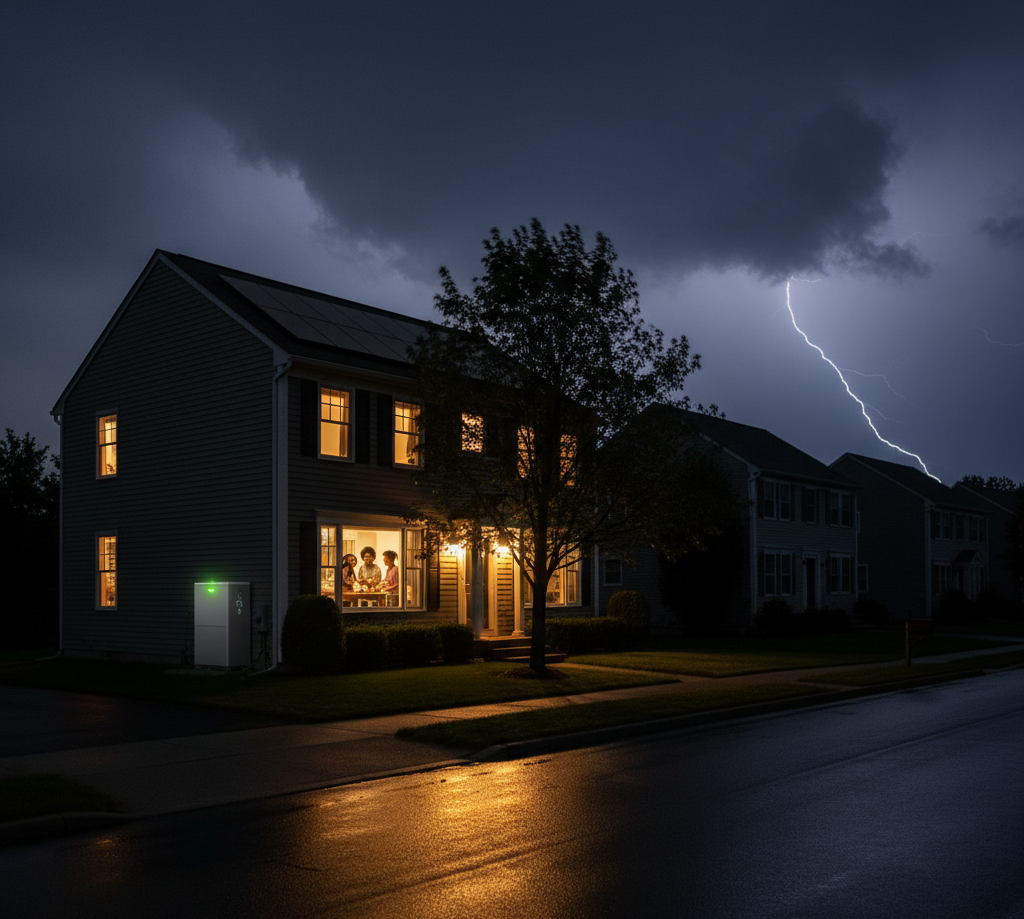
- Battery storage enhances solar resilience by providing energy independence during outages and opportunities for cost savings through peak-hour energy arbitrage, augmenting the ROI of solar projects.
How Solar Works in Massachusetts
As more people consider making the switch to renewable energy, a common question arises: "Does solar work in Massachusetts?" With its distinct seasons and varying weather conditions, it is natural to have concerns about the efficiency and reliability of solar energy in the Bay State. However, despite the fluctuations in sunlight, solar power can be a highly effective and beneficial energy solution for Massachusetts residents. Let's address some common concerns and explore how solar energy can be a viable option for your home.
Less Sunlight in Winter- A Common Concern
One of the primary concerns for Massachusetts homeowners is whether solar panels can generate enough electricity during the winter months, when sunlight is less abundant. While it is true that solar panels produce less energy on cloudy or snowy days, it's important to remember that solar systems are designed to work throughout the year.
How Solar Panels Work in Winter
Efficiency in Cold Weather: Solar panels are actually more efficient in cooler temperatures. While they may receive less sunlight in winter, their increased efficiency can help offset the loss.
Angle and Positioning: Panels are usually installed at an angle to capture as much sunlight as possible, even during the shorter winter days.
Snow Coverage: Snow can sometimes cover panels, temporarily reducing their output. However, panels are designed to allow snow to slide off easily, and the reflective properties of snow can actually help improve sunlight absorption.
The Grid Connection: Continuous Power Supply
A significant worry for potential solar users is the fear of running out of electricity if solar panels aren't producing enough energy. Fortunately, this is where the grid connection plays a crucial role.
Benefits of Staying Connected to the Grid
Reliable Backup: When your solar panels aren't generating enough electricity, your home will seamlessly draw power from the grid, ensuring a continuous supply of electricity.
Net Metering: This system allows you to bank excess energy generated on sunny days. When your panels produce more electricity than you need, the surplus is sent to the grid, and you earn credits. These credits can then be used during less sunny days or at night, effectively balancing your energy usage.
Enhancing Resilience with Battery Storage
Another advantage of solar energy is the potential for increased resilience during grid outages. By incorporating a battery storage system, you can store excess solar energy for use when the grid is down.
Advantages of Battery Storage
Energy Independence: With a battery, you can tap into stored energy during power outages, keeping essential appliances running.
Cost Savings: By using stored energy during peak hours, you can reduce reliance on expensive grid electricity and maximize your savings.
Environmental Impact: Using stored solar energy reduces your carbon footprint, contributing to a more sustainable future.
Arbitrage: In some geographies, the grid may offer incentives to tap into your batteries in case of an event such as high demand. By charging your battery off peak and discharging during peak, you could increase the return on investment of your solar project.
Conclusion: Solar is a Smart Choice for Massachusetts
In summary, solar energy is a viable and effective solution for Massachusetts homeowners despite the state's seasonal changes. By leveraging net metering, staying connected to the grid, and considering battery storage, you can enjoy a reliable and resilient energy system that meets your needs year‑round. Get a free quote to see if solar makes sense for you.